A car accident takes a few seconds. The claim that follows can take much longer, and most of what decides its outcome happens in the first hours, before you have spoken to a single lawyer.
Insurance companies know this. Their entire process is built around the gap between the moment you are hurt and the moment you understand your rights. The five mistakes below are the ones that quietly cost people the most. None of them require bad luck. They just require not knowing.
The deadlines working against you
Before the mistakes, three deadlines. They start running the day of the crash, whether or not anyone tells you they exist.
Miss one and the strongest case in the world can be over before it starts. Now, the mistakes.
Leaving the scene without a record.
The scene is the strongest evidence you will ever have, and it exists for about an hour. Skid marks, vehicle positions, debris, the other driver's demeanor, the weather, the witness who stopped and then drove off.
Call the police. If they do not come, file form SR-1 with the New Jersey Motor Vehicle Commission within 10 days.[NJ MVC] Photograph everything: all vehicles, every angle, plates, the intersection, the road, your injuries. Get names and numbers of witnesses before they leave. An adjuster reading your file weeks later believes what was documented. Nothing else.
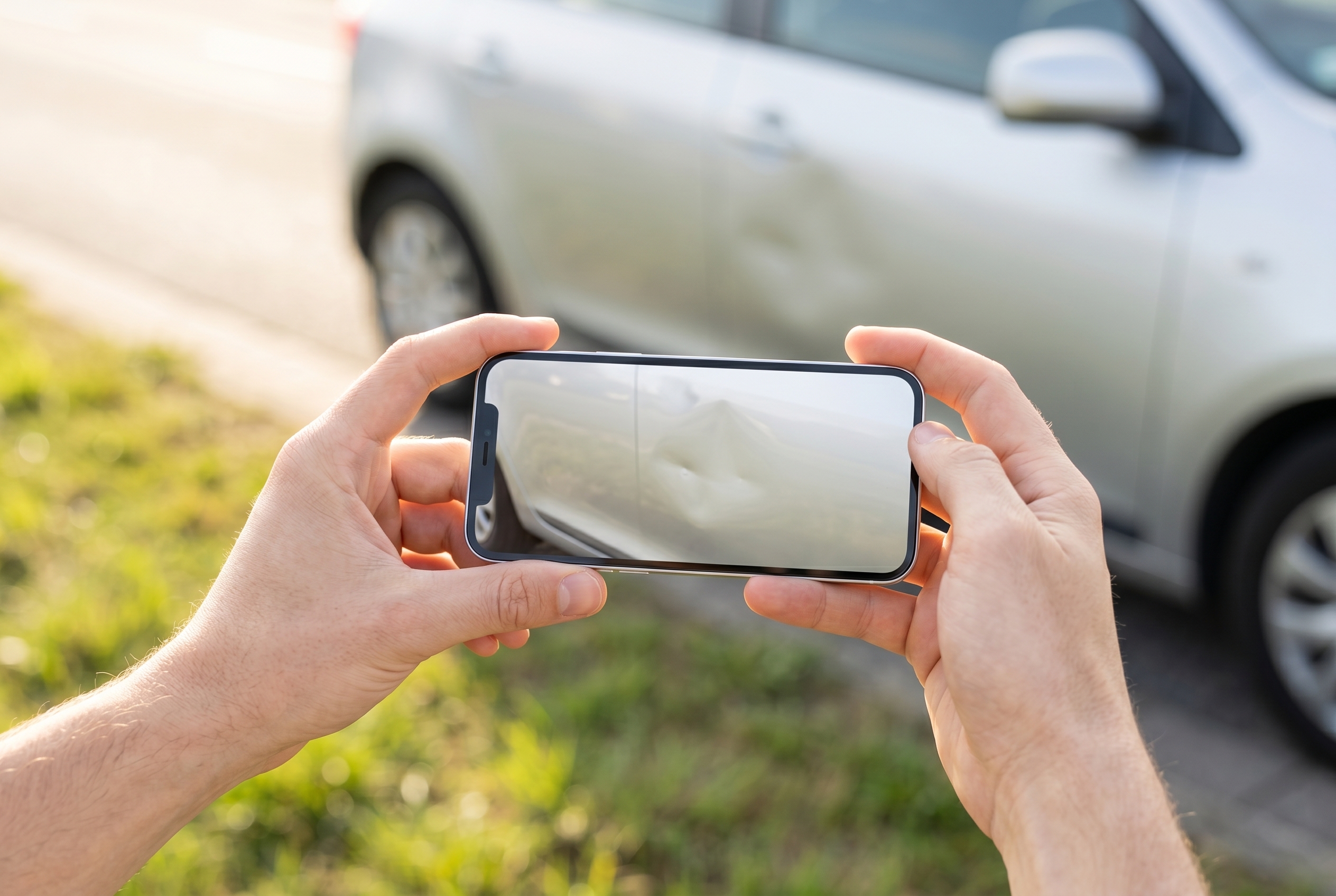
Apologizing.
"Sorry" is a reflex. In a claim file, it reads as an admission. You can be decent without being liable. Check on everyone, stay calm, but do not narrate fault, do not speculate about what happened, and do not announce that you are fine.
You do not have the full picture at the scene, and neither does anyone else. Fault is a legal determination, not a curbside conversation.
The insurance company starts its file the day of the crash. Most people start theirs months too late.
Waiting to see if it gets better.
Adrenaline is a painkiller, and it wears off. Whiplash, soft-tissue injuries, and concussions often stay quiet for hours or days.[CDC] Two things happen when you wait. Your health gets worse, and a gap opens in the record.
Every day between the crash and your first medical visit is a day an insurer can argue your injury came from something else. See a doctor promptly. Tell them it was a crash. Follow the plan they give you.
Evidence has a half-life.
Illustrative. Physical evidence, witness memory, and security footage all degrade fast. The record you build early is the record that lasts.
Talking to their adjuster.
The other driver's insurer will call fast, and they will be friendly. Friendly is the job. A recorded statement taken while you are still rattled, before you know the extent of your injuries, becomes a script they read back to you months later when your symptoms are worse than you first said.
You are not required to give it. You can decline, give only basic facts to your own insurer, and speak with a lawyer before you say anything more.
Taking the first number.
The first offer is an opening, made before anyone knows what your recovery actually costs. Once you accept and sign the release, the claim is closed, even if you need another procedure next year.
The same goes for social media. A photo of you smiling at a barbecue becomes the other side's evidence that you were not really hurt. Until the claim is resolved, assume someone is watching. Do not sign, and do not post.
What to do instead
The whole list, in order, for the day of the crash and the days right after.
- Call the police. If they do not come, file form SR-1 within 10 days.
- Photograph everything, and collect witness names and numbers.
- Be kind at the scene, but do not discuss or speculate about fault.
- See a doctor promptly, even if you feel fine, and mention the crash.
- Do not give the other insurer a recorded statement.
- Do not accept an early offer or post about the accident online.
- Talk to a personal injury attorney before any deadline runs.
Common questions
Do I have to call the police after a minor accident in New Jersey?
How long do I have to file a personal injury claim in NJ?
Should I give the other driver's insurer a recorded statement?
What if I did not feel hurt at the scene?
This article is general information about New Jersey law, not legal advice, and reading it does not create an attorney-client relationship. Every situation is different. For advice about your specific case, speak with a licensed attorney. Attorney advertising.
Sources
- New Jersey Motor Vehicle Commission, crash reporting and form SR-1.
- N.J.S.A. 2A:14-2, statute of limitations for personal injury actions.
- New Jersey Tort Claims Act, N.J.S.A. 59:8-8, notice of claim deadline.
- U.S. Centers for Disease Control and Prevention, delayed-onset crash injuries.